+86-18815018869
  josie@one-paper.com
+86-18815018869
josie@one-paper.com
josie@one-paper.com
+86-18815018869
josie@one-paper.com
Every tissue manufacturer encounters bottlenecks in their production process—and for many, packaging is the ultimate productivity choke point. Choosing the right tissue paper packing machine is critical to breaking through this bottleneck, especially when balancing operational costs and long-term scalability.
When deciding between semi-automatic and fully automatic packing machines, the differences go beyond price tags. Your "best ROI" depends on your production volume, labor costs, and future growth ambitions. This guide delves deep into the advantages, limitations, and returns of both systems to help you scale smartly.
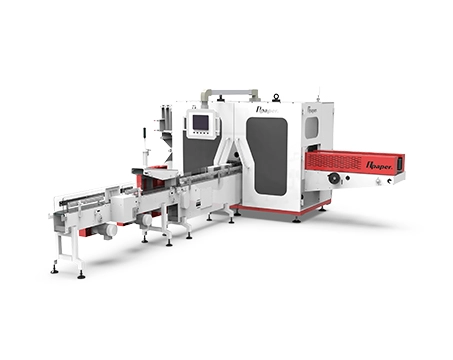
A semi-automatic tissue paper packing machine operates with partial manual intervention. Typically, operators are responsible for feeding tissue bundles or placing bags, while the machine automates sealing, wrapping, or other secondary tasks.
Semi-automatic systems thrive in niche and smaller-scale production environments:
Startups or small manufacturers producing around 500–2,000 units daily.
Artisan or specialty tissue brands needing flexibility for custom bag sizes and designs.
Companies operating in areas with low labor costs, where human operators are cost-efficient.
Pros:
Low Initial Investment: Perfect for businesses with limited upfront capital.
Flexibility: Easily adapts to different bag sizes, film types, and packaging designs.
Simpler Maintenance: Fewer components than fully automatic systems.
Cons:
Throughput Limitations: Machine speed is reliant on human operators, capping overall efficiency.
Packaging Inconsistency: Manual intervention may lead to variations in bag placement and sealing.
Scaling Challenges: As production needs grow, semi-automatic setups may struggle to keep up.
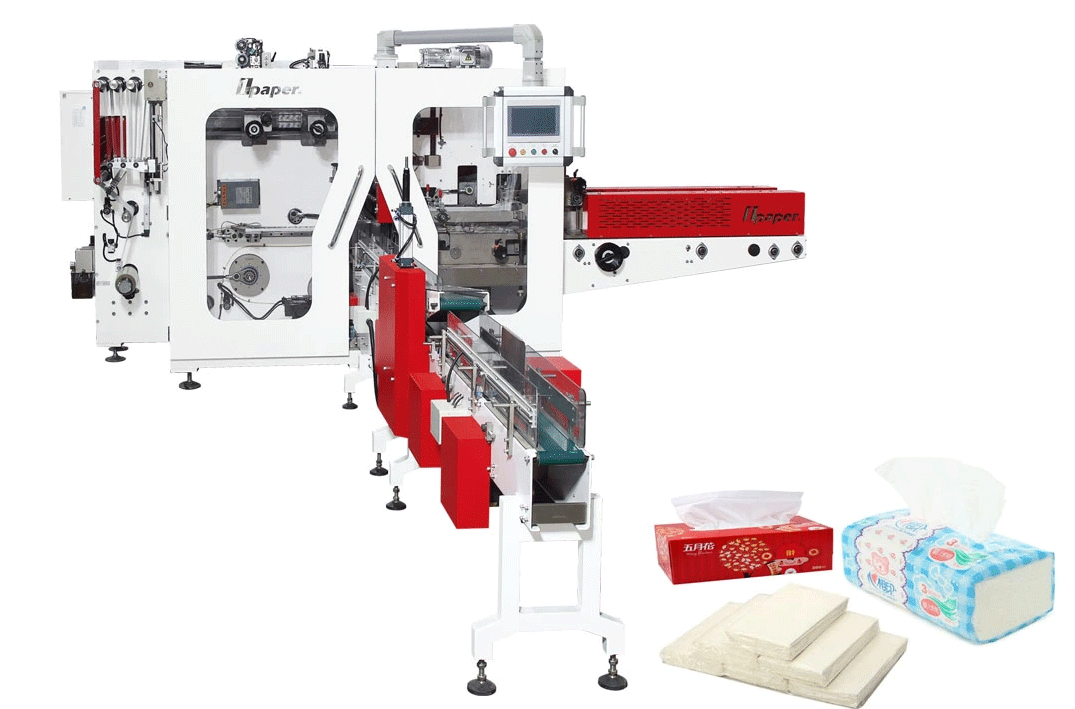
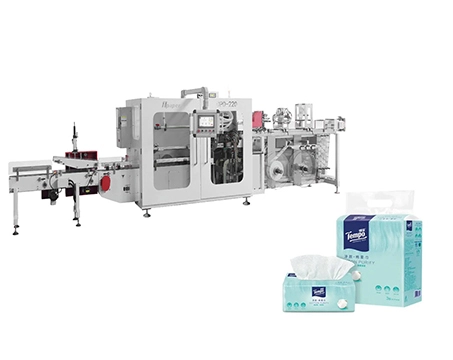
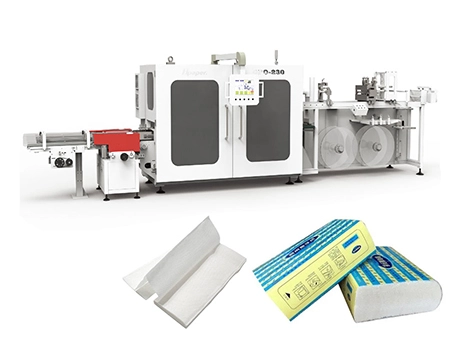
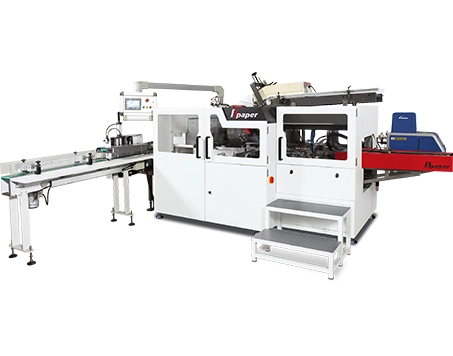
Designed for industrial-scale packaging, fully automatic machines integrate seamlessly with production lines. From feeding tissue logs or bundles to wrapping, sealing, and outputting the finished product, these systems require minimal human input and deliver precision at high speeds.
Fully automatic tissue packing machines are ideal for large-scale manufacturing:
Facilities producing 5,000+ units per day where speed is critical.
Businesses in regions with high labor costs, where automation significantly reduces expenses.
Tissue brands aiming for perfect retail packaging precision, critical for major distribution networks.
Pros:
Higher Throughput: Operates continuously, achieving production speeds that far exceed semi-automatic systems.
Reduced Labor Costs: One technician can oversee multiple machines, replacing manual operators.
Precision & Consistency: Advanced PLC systems ensure consistent packaging quality with minimal wastage.
Scalability: Efficiently handles increased production demands as businesses grow.
Cons:
High Initial CAPEX: Upfront costs can be significant for smaller manufacturers.
Technical Maintenance: Requires trained technicians for setup, repairs, and upgrades.
Longer Lead Times for Customization: May need to be reconfigured for new packaging formats.
Achieving the best ROI requires more than just choosing the "cheapest" machine. You need to assess production needs, labor expenses, and the operational efficiencies of the machine relative to your goals. Here’s a breakdown:
Labor Savings: With semi-automatic machines, 3 operators per shift might collectively yield 500 units/hour. A fully automatic system can produce 2,000 units/hour with just one technician supervising.
Material Waste Reduction: Automatic tissue wrapping systems reduce plastic film wastage by up to 15%, minimizing raw material costs over time.
Unit-Per-Minute Output (UPM): Semi-auto systems average 10–30 UPM, while fully automatic machines can exceed 100 UPM, depending on model and settings.
Downtime Costs: Automatic machines with integrated PLCs provide faster diagnostics, drastically minimizing operational interruptions.
| Factor | Semi-Automatic Machine | Fully Automatic Machine |
| Speed (UPM) | 10–30 UPM | 100+ UPM |
| Labor Dependency | High | Low |
| Initial Investment | Low ($30,000–50,000) | High ($100,000+) |
| Waste Reduction | Moderate | High |
| Scaling Capability | Limited | Maximum |
Use this table to match your production scale with the machine type best suited to optimize ROI.
Production Volume: 500–2,000 bags/day
Recommendation: Semi-Automatic machines are ideal due to their affordability and flexibility.
Production Volume: 5,000–10,000 bags/day
Recommendation: A hybrid approach or entry-level fully automatic machine to balance throughput and investment.
Production Volume: 20,000+ bags/day
Recommendation: Fully automatic high-speed machines are critical for efficiency, consistency, and scaling.
Investing in the right machine is only part of the equation. Long-term profitability depends on how well the machine is maintained and supported. Here are some tips:
Source Reliable Spare Parts: Partnering with reputable suppliers, such as OnePaper Group, ensures swift replacement of essential components.
Technical Support Matters: Fully automatic systems benefit significantly from manufacturer-side technicians for setup, troubleshooting, and ongoing improvements.
Ease of Changeover: Consider machines that allow quick adjustments for different tissue sizes and packaging formats to minimize downtime.
In tissue packaging, maximizing ROI is about balancing cost efficiency with scalability. Semi-automatic machines are perfect for startups or niche markets, while fully automatic systems unlock massive throughput and minimal operational waste for high-volume manufacturers.
Which tissue packing machine will carry your business forward? The answer lies not only in today’s needs but also in your ambitions for tomorrow.# Markdown syntax guide