+86-18815018869
  josie@one-paper.com
+86-18815018869
josie@one-paper.com
josie@one-paper.com
+86-18815018869
josie@one-paper.com
Facial tissue packaging affects shelf appearance, packing speed, labor cost and customer experience. When buyers compare a facial tissue wrapping machine with a facial tissue bagging machine, the best choice depends on tissue format, pack size, film material, output target and downstream carton packing requirements.
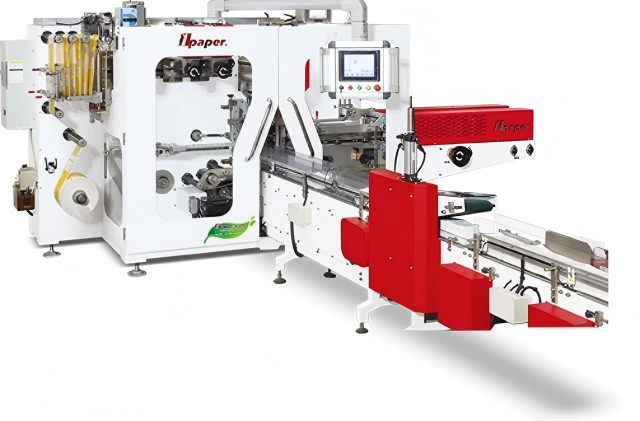
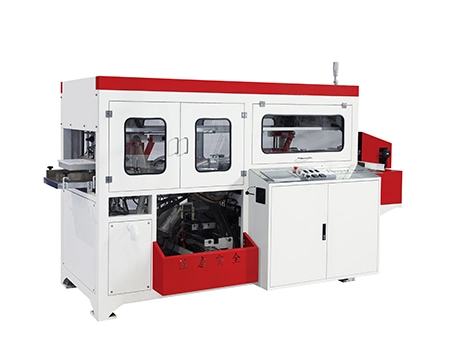
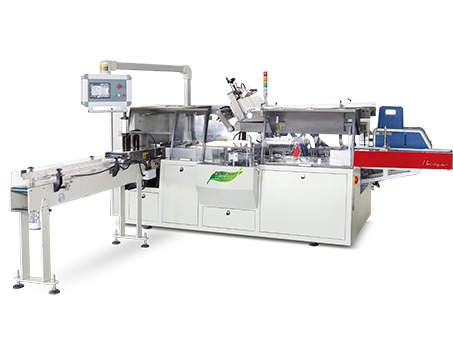
A facial tissue wrapping machine is designed to wrap soft packs or boxed tissue products with film. It normally handles product feeding, film forming, sealing, cutting and discharge. For tissue converters, it is often used after a facial tissue folding machine or complete converting line.
The main advantage of wrapping is a neat pack appearance and stable sealing. It is suitable for supermarket tissue packs, private label soft packs and high-volume household tissue products where visual quality and pack consistency matter.
Good for standard soft packs and box tissue outer wrapping.
Supports stable film sealing and clean pack edges.
Can be connected with upstream folding and downstream bundling or carton packing.
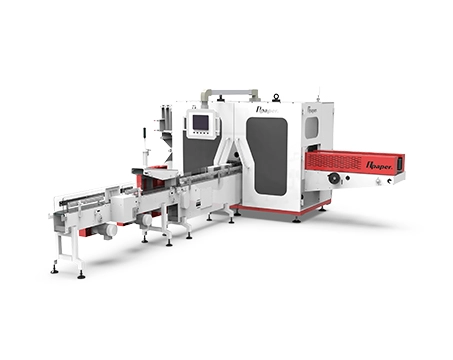
A facial tissue bagging machine places tissue products into premade or formed bags. It is often used when the pack shape, handle design, multipack structure or retail format requires bag packaging rather than tight film wrapping.
Bagging can be more flexible for bulk packs, promotional packs and special SKU formats. However, the buyer should confirm whether the bagging speed matches the output of the tissue folding line.
Useful for multipack tissue, promotional packs and retail bag formats.
Can support larger packs that are not suitable for tight wrapping.
Requires careful bag size control to avoid loose or wrinkled packaging.
If your main customers are supermarkets or branded household tissue distributors, a wrapping machine may offer better pack consistency and shelf presentation. If your customers require club-store packs, multipacks or custom retail bags, a bagging machine may be more suitable.
The decision should be based on finished pack drawings, not only machine names. Provide the supplier with product dimensions, tissue stack height, pack quantity, film or bag material and required seal style.
Choose wrapping for neat individual soft packs and high-speed standard SKUs.
Choose bagging for multipacks, special retail packs and flexible pack sizes.
Consider both options if your factory serves multiple channels and private label buyers.
Packaging quality depends on feeding stability, sealing temperature control, film tension, product compression and changeover design. A good tissue paper packing machine should protect the tissue shape while keeping the package tight enough for transportation and retail display.
Buyers should ask the manufacturer for sample packing videos, applicable film specifications and a layout showing how the machine connects with the folding line. If the line includes manual transfer between machines, the real efficiency may be lower than expected.
Product size range and stack height tolerance.
Applicable film or bag material and thickness.
Stable production speed, not only maximum mechanical speed.
Changeover time between different tissue pack sizes.
Connection with counting, bundling and carton packing systems.
For high-volume projects, the best layout is an integrated facial tissue production line with folding, log saw cutting if needed, single pack wrapping or bagging, multipack bundling and carton packing. Integration reduces manual handling and improves pack consistency.
For factories expanding from manual packing, the first priority should be the SKU that creates the biggest labor bottleneck. Upgrading the most repetitive tissue pack first usually delivers faster payback than trying to automate every SKU at once.
Map the current production bottleneck before selecting a packing machine.
Keep enough space for future bundling or carton packing.
Use sample packs to test sealing quality and pack appearance before mass production.
Wrapping is usually better for neat individual soft packs and high-speed standard products. Bagging is better for larger multipacks, promotional packs or special retail formats. The best choice depends on SKU dimensions and sales channel.
Yes. Many facial tissue packing machines can be integrated with upstream folding machines, but the feeding direction, product spacing, height and output speed must be confirmed during line design.
Provide product length, width, height, packs per minute target, film or bag material, pack photos, required sealing style and workshop layout. This helps avoid an inaccurate quotation.
Share your tissue pack size, packing format and target output to receive a wrapping or bagging line recommendation with layout, capacity and automation options.