+86-18815018869
  josie@one-paper.com
+86-18815018869
josie@one-paper.com
josie@one-paper.com
+86-18815018869
josie@one-paper.com
Choosing a paper napkin making machine is not only a question of machine speed. For tissue converters, private label factories, restaurant supply brands and distributors, the right production line should match napkin size, fold type, embossing style, packaging format, labor plan and expected return on investment.
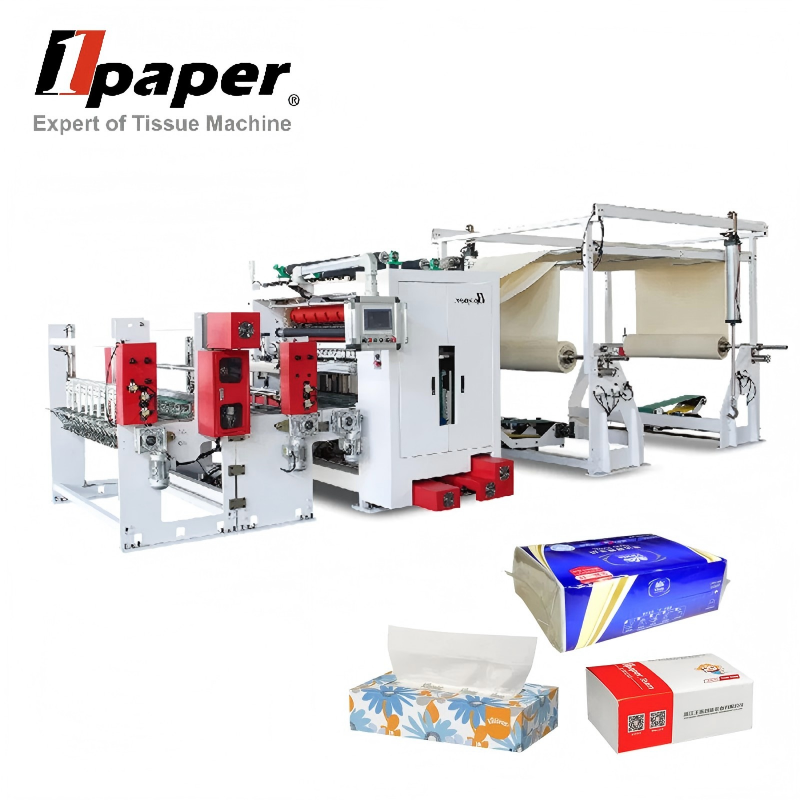
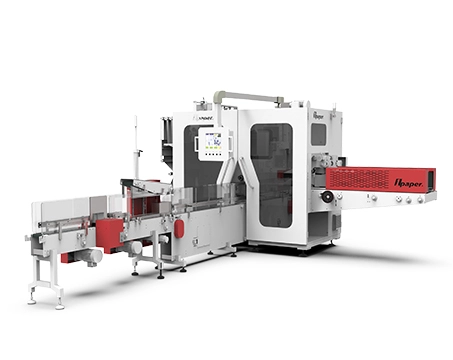
A paper napkin making machine converts jumbo parent rolls into folded paper napkins or serviettes. Depending on the line configuration, it can include unwinding, embossing, printing, folding, cutting, counting and automatic packing. The machine is commonly used for restaurants, hotels, airlines, household tissue brands and wholesale paper product suppliers.
For B2B buyers, the key is to define the finished napkin before comparing models. A lunch napkin, cocktail napkin, dispenser napkin and printed promotional serviette may require different fold dimensions, paper width, embossing pressure and packing method.
Common finished products include 1/4 fold napkins, 1/8 fold napkins, dispenser napkins, printed napkins and private label serviettes.
Common materials include virgin pulp tissue, recycled paper, mixed pulp tissue and colored napkin paper.
Common add-ons include flexographic printing, edge embossing, counting systems and automatic packing machines.
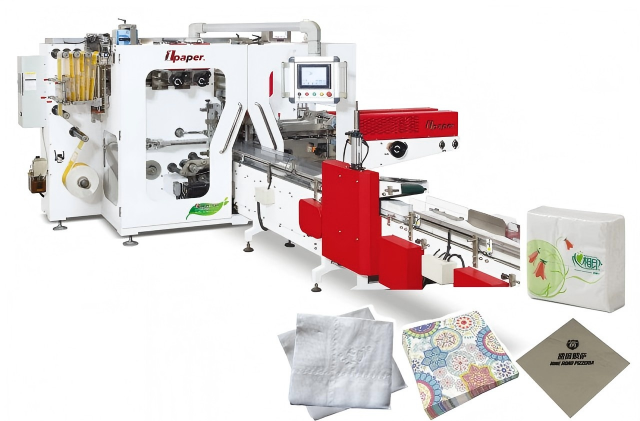
Many buyers compare only the maximum speed listed in a quotation, but real output depends on paper quality, operator skill, fold stability, downtime and packing efficiency. A high-speed paper napkin machine is valuable only when the feeding, counting and packing steps can keep up with the converting speed.
If you supply multiple SKUs, ask the manufacturer how long size changeover takes and whether the machine can handle different paper widths without excessive adjustment. For a new factory, it is often safer to start with a stable automatic line than to purchase a very high-speed line that requires more experienced operators.
Estimate daily output by finished napkins per pack, packs per carton and working hours per shift.
Check whether the quoted speed is mechanical speed or stable production speed.
Confirm the recommended parent roll width, roll diameter and paper GSM range before ordering.
The fold type affects both market positioning and machine configuration. A cocktail napkin normally targets restaurants and beverage service. A dispenser napkin requires accurate folding and stacking to fit a dispenser. A printed serviette needs stable web tension and printing registration. These details should be confirmed before the supplier designs the line layout.
If your goal is to serve supermarkets or private label buyers, product consistency is more important than a single machine specification. Consistent fold alignment, clean cutting edges and stable counting will reduce complaints and improve repeat orders.
1/4 fold is common for lunch napkins and household use.
1/8 fold is often used for compact packs and food service.
Custom printing can support restaurants, airlines, events and promotional brands.
The return on a paper napkin machine depends on more than the equipment price. Buyers should calculate labor savings, waste rate, power consumption, packing efficiency, local paper cost and the number of SKUs the line can produce. A low-cost machine may become expensive if it creates more waste, requires frequent adjustment or cannot connect with automatic packing.
A practical ROI review should include both current orders and future product expansion. If you plan to add printed napkins or private label packaging later, it is better to reserve enough mechanical and electrical space in the first line design.
Compare total line cost, not just the main folding machine price.
Ask for spare parts list, training scope and recommended maintenance schedule.
Check whether the supplier can provide layout drawings for your workshop.
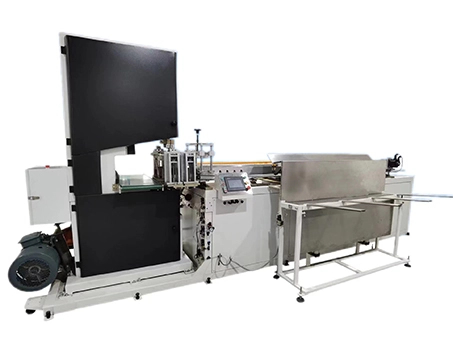
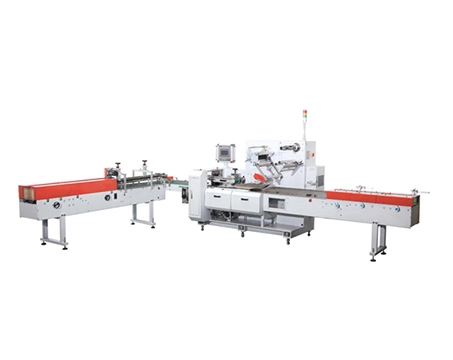
For most commercial napkin projects, a complete line should include a stable unwinding system, embossing unit, folding and cutting system, counting device and either semi-automatic or automatic packing. If you need printed napkins, flexographic printing units should be designed into the web path from the beginning.
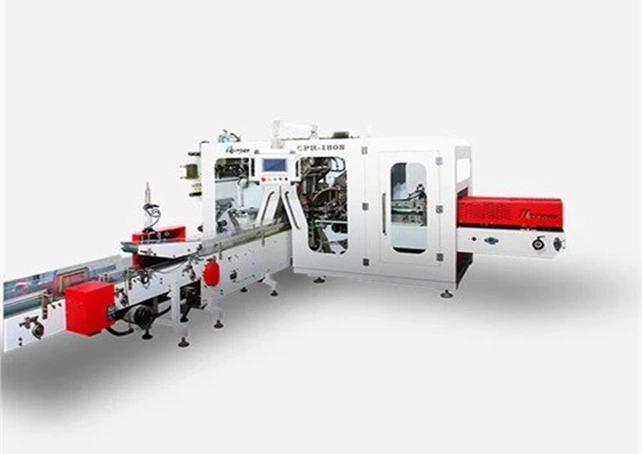
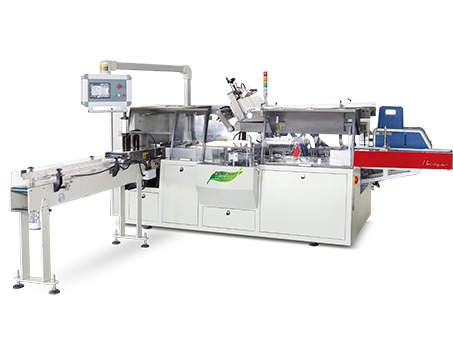
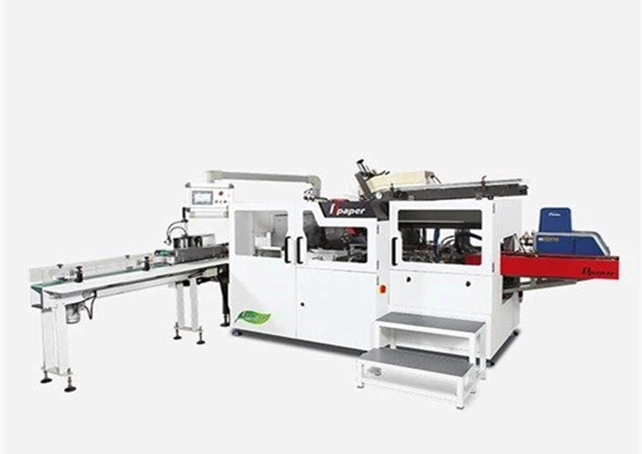
For buyers who want to increase efficiency quickly, the most important upgrade is often automatic counting and packing. Manual packing can limit the output even when the napkin folding machine has enough speed.
Entry-level setup: napkin folding machine plus manual or semi-automatic packing.
Mid-range setup: automatic folding, counting and packing for stable wholesale orders.
High-efficiency setup: printing, embossing, automatic packing and carton packing connection.
Check finished napkin size, fold type, paper GSM, parent roll width, expected output, printing requirements, packing format and available workshop space. These details help the supplier recommend a machine that fits real production instead of only matching a keyword.
An automatic paper napkin machine is better when labor cost is high, output demand is stable and packing consistency is important. A semi-automatic machine may be suitable for smaller orders or factories testing new SKUs.
Many machines can support several sizes within a designed range, but size changes may require adjustment or spare parts. Confirm the size range and changeover method before purchasing.
Send your napkin size, fold type, paper GSM, target capacity and packing style to get a production line layout and quotation matched to your project.