+86-18815018869
  josie@one-paper.com
+86-18815018869
josie@one-paper.com
josie@one-paper.com
+86-18815018869
josie@one-paper.com
In tissue converting, the fold isn’t a cosmetic detail—it’s the dispensing experience. Whether a user gets one sheet cleanly or accidentally pulls three at once is largely determined by folding geometry, sheet overlap, and how consistently your machine controls tension.
At One Paper Group, our engineering team evaluates paper GSM, ply, embossing pattern, moisture, and web tension before recommending a fold format—because the “best” fold depends on how the sheet behaves at speed. Choosing the right tissue folding machine (and matching it to your raw paper and dispenser style) is the foundation of a stable, profitable converting line.
Pro‑Tip (Experience): If you’re running low‑GSM recycled stock, prioritize a fold format and machine configuration that allows fine tension control. It’s one of the fastest ways to reduce edge tearing and mis-interleaving—especially during speed ramp-up.
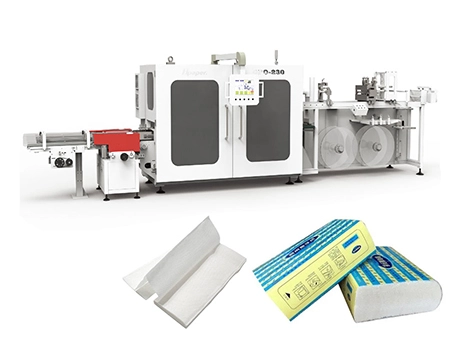
A V-fold (often called interfold) configuration interleaves sheets so that pulling one sheet presents the next. This is the “pop‑up” behavior consumers expect in facial tissue and many interfolded formats.
Facial tissue (box tissue)
Pop‑up / nylon pack tissues
Interfolded formats where one-at-a-time dispensing matters most
Pros
One-at-a-time dispensing (better hygiene and lower waste)
Strong consumer preference for “next sheet ready”
Premium perceived quality in retail and hospitality
Cons
More sensitive to setup: overlap, timing, and web stability must be consistent
Requires high-precision pickup and transfer, especially at higher speeds

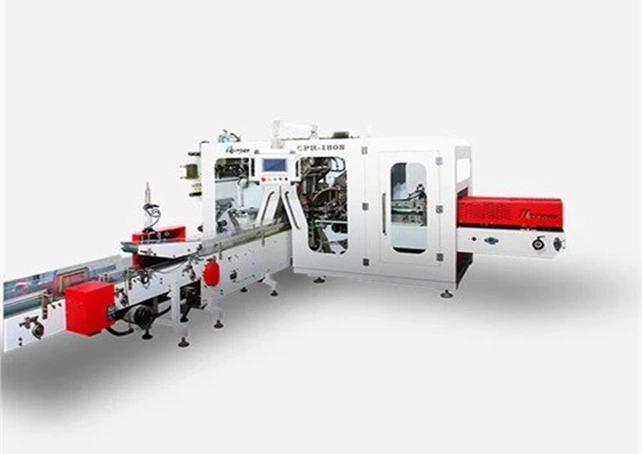
A high-quality V-fold tissue paper folding machine typically relies on a well-tuned vacuum suction system to pick, place, and synchronize sheets consistently. Poor vacuum stability often shows up as:
irregular interleave depth (dispensing issues)
sheet skew (stack quality drops)
speed limitations (can’t push output without defects)
Pro‑Tip (Experience): When interleave quality degrades only at higher speeds, don’t immediately blame paper. First check vacuum stability, suction timing, and pickup wear parts—those usually drift before your base paper spec does.
Suggested image alt-text: “Automatic V-fold facial tissue folding machine production line at One Paper Group factory.”
N-fold commonly refers to a multi-panel fold that creates a compact stack with multiple layers. The sheet is folded into sections that provide a thicker feel and a controlled dispense path in many commercial dispenser designs.
Multifolding hand towels
Commercial washroom paper formats
Products optimized for absorbency-per-sheet and dispenser efficiency
Pros
Good “hand feel” and absorbency when unfolded (multiple layers)
Efficient stacking and dispenser compatibility for many commercial environments
Typically balances capacity and sheet coverage well
Cons
Higher tension sensitivity during folding (especially with textured/embossed webs)
If tension isn’t stable, you’ll see uneven panel widths and stack leaning
Pro‑Tip (Experience): If your N-fold stacks “lean” or don’t sit square, measure tension across the web (center vs edges). Uneven edge tension is a common cause, especially with wider parent rolls.
Z-fold (often called multifold) uses a zigzag-style fold with interleaving overlap that helps the towel present/open when dispensed, improving “grab-ability” and reducing bunching inside the dispenser. Many buyers prefer Z-fold for premium washroom experiences because it dispenses cleanly and stores compactly.
Premium hand towels
Hospitality and office washrooms focused on presentation and waste reduction
In real-world procurement conversations, N-fold and Z-fold are sometimes used interchangeably. In production and dispensing, what matters is the overlap/interleave geometry:
Z-fold is commonly associated with interleaved multifold that presents the next sheet more reliably and stays more “open” on dispense.
N-fold is often used to describe a multi-panel compact fold that still dispenses efficiently but may vary in overlap style by region/supplier.
If your customer’s priority is clean presentation on dispense (especially in premium dispensers), Z-fold is often the safer specification to confirm during sampling.
Pro‑Tip (Experience): Always validate fold type using physical samples + dispenser test, not just the name on a PO. Different markets and suppliers label folds differently—dispensing performance is the truth.
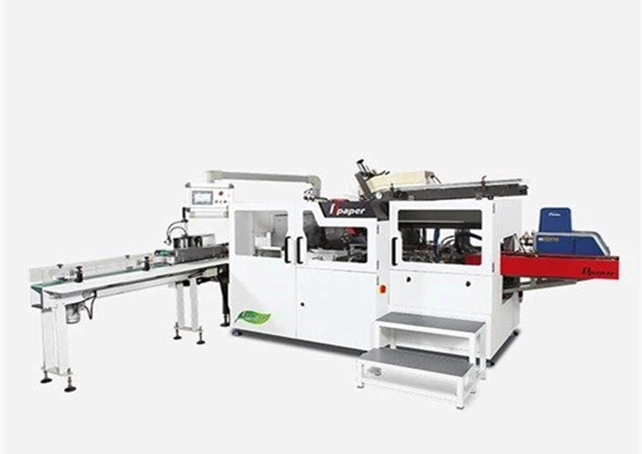
Suggested image alt-text: “Z-fold hand towel machine showing interleaved zigzag stacking for one-at-a-time dispensing.”
| Fold Type | Common Product | Dispenser Type | Speed Potential (Typical) | Difficulty Level (Setup & Stability) |
|---|---|---|---|---|
| V-Fold (Interfold) | Facial tissue, pop-up tissues | Pop-up box / interfold dispensers | High (with stable vacuum & timing) | Medium–High |
| N-Fold | Commercial hand towels | Folded towel dispensers | Medium–High | Medium |
| Z-Fold (Multifold) | Premium hand towels | Multifold dispensers | Medium–High | Medium |
Note: Speed potential varies by GSM, ply, embossing, sheet size, and downstream packaging/case packing constraints.
High output numbers are only valuable if quality holds at speed. Your achievable rate depends on:
GSM & fiber mix (virgin vs recycled behavior differs)
ply count and emboss depth
sheet size and fold depth tolerance
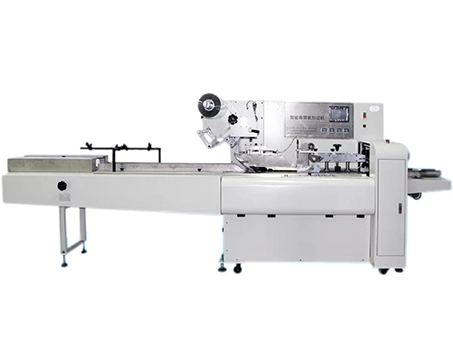
downstream equipment synchronization (banding, bagging/boxing, case packing)
Pro‑Tip (Experience): If you’re scaling output, test the “hard cases” first: lowest GSM, highest emboss, and the most humid day conditions in your facility. If you pass those, normal days will be easy.
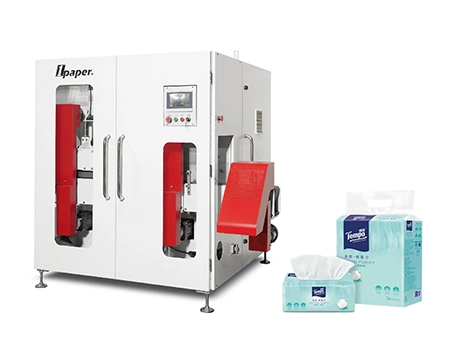
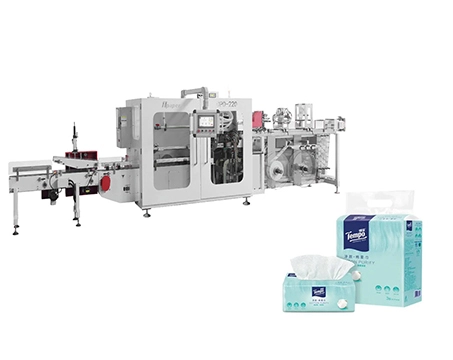
As labor and consistency demands increase, many plants shift toward fully automatic tissue folding machines with:
PLC control and recipe storage (faster changeovers)
servo coordination for timing stability
integrated counting/stacking logic for packaging consistency
Downtime costs more than most buyers estimate. Look for designs that support:
easy access maintenance (fast wear-part swaps)
clear guarding + safe cleaning points
stable vacuum and straightforward troubleshooting pathways
At One Paper Group, maintainability is treated as a design requirement—not an afterthought—because reliability is what protects your delivery schedules and customer contracts.
The “perfect fold” starts with the right equipment—and the right setup discipline. V-fold leads when you need premium interfold dispensing. N-fold supports high-absorbency commercial formats. Z-fold excels in compact, efficient, premium dispense performance.
If you’re planning a new line or upgrading an existing converter, explore our tissue folding machine category for technical specs and to request a configuration matched to your GSM, sheet size, and target packaging format.
Generally, the folding geometry is driven by folding plates/boards and timing, so a machine is usually optimized for one fold type. However, some modular designs can support interchangeable folding components—you’ll want to confirm changeover time, calibration steps, and whether output quality holds after conversion.
Most issues trace back to overlap consistency—often driven by vacuum pickup stability, timing drift, tension instability, or worn pickup components.
Start with the dispenser requirement (customer site standard), then validate with a dispensing test using real samples. Z-fold is frequently chosen where “open presentation” and controlled one-at-a-time dispensing are priorities.
It can. Many recycled grades have different tensile behavior and dusting, which can increase sensitivity to tension settings and pickup/transfer consistency. In practice, you’ll often prioritize machines with better tension control and stable suction/transfer for low-GSM or variable recycled stock.