+86-18815018869
  josie@one-paper.com
+86-18815018869
josie@one-paper.com
josie@one-paper.com
+86-18815018869
josie@one-paper.com
The order comes in on a Tuesday: 80,000 logo-printed napkins, four SKUs, delivery in 12 days.
Three years ago, that was a large-chain request. In 2026, it's a mid-size catering company, a ghost kitchen group, and two private-label distributors—all placing similar orders in the same week. The market for branded napkins has fragmented downward, and the production lines that weren't built for frequent changeovers, tight registration, and multi-SKU flexibility are now the bottleneck.
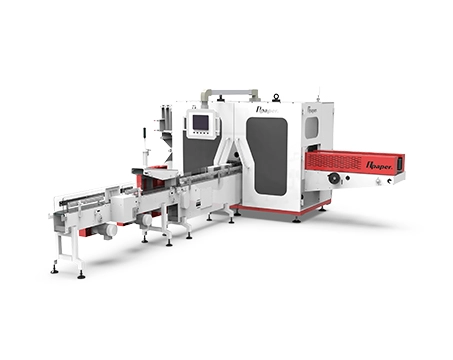
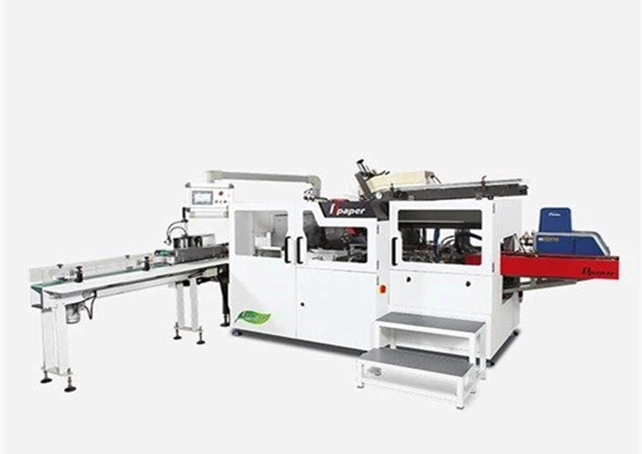
A modern paper napkin machine—particularly a fully automatic paper napkin machine configuration—is how converters close that gap: more SKUs, consistent print quality, lower scrap per setup, and labor costs that don't scale linearly with volume.
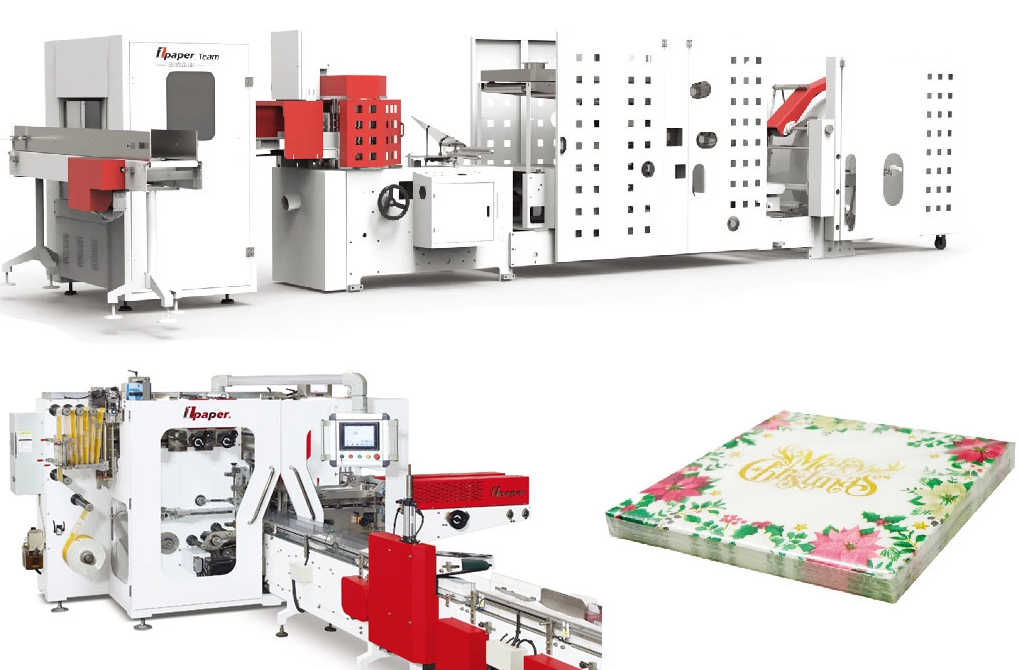
Understanding the production sequence is the foundation for diagnosing where quality problems originate and where automation delivers the most value.
Jumbo tissue rolls unwind under controlled tension. Tension variation is the first point of failure for print quality: a web that runs loose or tight inconsistently will shift laterally, causing registration errors before the ink even touches the paper. Edge guiding and tension control systems maintain web position across speed changes and roll diameter transitions.
The printing unit applies ink to the web—typically one or two colors for logo work. Registration control keeps the logo aligned relative to the fold and cut position across the full run. On a paper napkin machine without closed-loop registration feedback, logo position drifts as speed changes or as the roll diameter decreases. On a controlled system, registration is maintained automatically, reducing setup scrap and mid-run rejects.
Optional embossing adds bulk, texture, and perceived quality—relevant for hospitality and airline accounts where handfeel is part of the brand experience. Multi-ply lamination is handled in-line on configured machines.
Precision folding (1/4, 1/8, and other formats) and cutting define the final napkin dimensions. Fold alignment directly affects how the logo appears on the finished product—a logo centered on the open sheet must land correctly on the folded face.
This is where automation level separates high-throughput lines from labor-intensive ones. Manual counting introduces miscount risk and limits throughput consistency. Automated counting, stacking, and packing integration reduces labor requirements and maintains output stability across shifts.
The takeaway: print-ready napkin output is the result of stable tension + accurate registration + consistent folding and cutting. A weakness at any stage propagates to the finished product.
When specifying a fully automatic paper napkin machine for branded napkin production, these are the parameters that determine whether the machine can actually support your customers' logo requirements.
| Parameter | What to Confirm |
|---|---|
| Color count | 1–2 color standard; confirm plate type and ink system |
| Registration accuracy | Tolerance at target running speed, not only at slow speed |
| Ink drying / anti-smear | Drying method (air / UV / IR); smear test at max speed |
| Plate change time | Affects changeover duration between logo SKUs |
Finished size range (open sheet and folded dimensions)
Folding type support: 1/4 fold, 1/8 fold, cocktail, dinner
Ply count: 1-ply, 2-ply, 3-ply capability
Embossing: pattern options, depth control, in-line vs offline
Specify stable running speed—not maximum rated speed. A machine rated at 400 packs/min that runs stably at 280 packs/min with logo printing active is the real production number. Also confirm scrap rate targets during color setup and changeover, which directly affect cost per SKU.
Auto counting and stacking: eliminates manual count labor and miscount risk
Auto packing compatibility: bag wrap, film wrap, or carton integration
Date and lot coding: required for traceability on foodservice and retail accounts
Tension control system: closed-loop or manual
Edge guiding: ultrasonic or optical sensor
Splice handling: flying splice or manual stop
Jam detection and auto stop: reduces web damage and waste on fault events
Machine guarding to local safety standards
Easy-clean zones on ink and paper contact areas
Material contact surface design for foodservice market requirements
Standardized logo placement across regional production sites is a brand requirement, not a preference. High-volume runs with strict delivery windows require machines that hold registration across full shifts without operator intervention. A paper napkin machine with closed-loop registration and automated packing supports the throughput and consistency these accounts demand.
Frequent design changes and seasonal campaigns mean changeover speed is a competitive variable. A converter running four logo SKUs per day on a slow-changeover machine loses hours to setup. A fully automatic paper napkin machine with quick-change printing setup and automated counting reduces per-SKU setup time and makes short runs economically viable.
Premium embossing combined with clean, sharp logo printing defines brand perception in this segment. Hygiene-focused packaging requirements—sealed bags, lot coding, clean handling—are standard. These accounts also tend to audit supplier processes, making traceability and consistent quality documentation important alongside the physical product.
Multiple SKUs per day, variable order sizes, and tight margin structures make operational efficiency the primary selection criterion. Flexible size and fold settings, reliable automated counting, and low scrap rates during setup determine whether a private-label program is profitable or marginal.
Getting the machine specification right is only part of the preparation. These are the site and workflow factors that determine whether a new line runs at target performance from day one.
Jumbo roll width, maximum diameter, and core size
GSM range and ply structure the machine must handle
Surface smoothness requirement for printing: coated tissue prints differently from uncoated; confirm ink adhesion with your actual substrate before finalizing the printing unit specification
Artwork approval process and file format requirements (vector files for plate making)
Plate making lead time: factor into SKU launch timelines
Ink storage and handling: shelf life, temperature requirements, waste disposal
Quick-change printing setup: define the plate change procedure and target changeover time before commissioning
| Utility | Typical Requirement | Check Point |
|---|---|---|
| Power supply | 3-phase; confirm voltage and amperage | Dedicated circuit for printing unit |
| Compressed air | 6–8 bar; confirm flow rate | Dryer and filter required for ink systems |
| Floor layout | Roll loading access + finished goods flow | Forklift clearance for jumbo rolls |
| Operator access | Safety space on all four sides | Emergency stop accessibility |
Define the packing format—bag wrap, film wrap, or carton—before finalizing the machine configuration. The fully automatic paper napkin machine output rate must align with downstream packing and case-packing capacity. A mismatch creates a buffer accumulation problem that negates the throughput benefit of automation.
Registration tuning at target running speed
Fold alignment verification across full size range
Print smear test at maximum speed with production ink
Count accuracy validation: 100-pack sample count verification
Sample sign-off SOP: define who approves first-article samples and what the acceptance criteria are
A paper napkin machine that runs well at commissioning but degrades over six months due to deferred maintenance is not a cost-effective asset. These are the maintenance drivers that directly affect logo quality and unit economics.
Anilox rollers, doctor blades, and ink system cleanliness directly determine logo sharpness and defect rates. A worn anilox roller delivers inconsistent ink volume; a contaminated ink system produces color variation across the run. Define cleaning intervals and inspection criteria for print components as part of the commissioning documentation—not as a reactive response to quality complaints.
Knives, belts, bearings, and sensors are the consumable components that drive unplanned downtime when they fail without warning. Maintain a stocking plan for high-wear items based on the manufacturer's recommended replacement intervals. The cost of holding spare parts is consistently lower than the cost of a production stoppage waiting for a courier delivery.
Overall Equipment Effectiveness on a fully automatic paper napkin machine is driven by three factors:
Availability: fast changeovers and fewer jams increase productive time
Performance: stable registration and tension control maintain running speed without quality-driven slowdowns
Quality: consistent fold alignment and print registration reduce scrap and rework
Improving OEE from 65% to 80% on a single line is equivalent to adding a significant portion of a second shift without adding capital or headcount.
Automation in counting, stacking, and packing reduces manual labor requirements per shift. On a high-SKU operation, the labor saving from automated counting alone—eliminating miscounts, recount events, and packing errors—is measurable within the first month of operation.
Consistent brand-grade quality, higher throughput, and lower waste per SKU improve profitability on custom-logo orders. The converters who win the 2026 branded napkin market are not necessarily the ones with the lowest machine purchase price—they are the ones with the lowest cost per correctly printed, correctly counted, on-time pack.
In 2026, the producers who capture logo-printed napkin volume are the ones who can deliver consistent branding quality with fast changeovers and predictable lead times—across four SKUs in a week, not just one SKU in a month. Upgrading to the right paper napkin machine—particularly a fully automatic paper napkin machine configuration with closed-loop registration, automated counting, and quick-change printing—is how production lines make that transition without proportionally increasing labor or scrap.
Click through to the product page to get a recommended configuration and quotation:
View paper napkin machine options and request a quote
To receive an accurate solution recommendation, submit the following when you reach out:
Operating conditions: target market (foodservice / hotel / event), hygiene and packaging requirements, shift pattern, operator skill level
Output requirements: lines required, daily and weekly output target, SKU count, spare parts plan
Product specifications: napkin size (open and folded), folding type, ply count, GSM, emboss requirement, printing colors and logo dimensions
Performance targets: registration tolerance, defect and scrap rate target, speed and OEE target, changeover time target
Current problems: logo misalignment, ink smearing, web wrinkles, slow setup, frequent jams, counting errors, high labor cost
Q1: What is a paper napkin machine?
A paper napkin machine converts jumbo tissue rolls into finished napkins through a sequence of integrated steps: unwinding with tension control, optional printing and embossing, precision folding, cutting to final size, counting, stacking, and packing. The configuration of each module—particularly the printing and automation level—determines what product types and quality standards the machine can support.
Q2: What is the difference between a fully automatic paper napkin machine and a semi-automatic one?
A fully automatic paper napkin machine integrates counting, stacking, and typically packing into the production line, reducing manual labor and maintaining output consistency across shifts and SKUs. A semi-automatic machine requires more manual handling at the counting and packing stages—lower initial capital cost, but higher labor cost per pack, higher miscount risk, and greater output variability. For high-SKU branded napkin programs, the labor and quality consistency advantages of full automation typically justify the investment within the first year of operation.
Q3: What ROI can a fully automatic paper napkin machine deliver?
ROI on a fully automatic paper napkin machine typically comes from four sources: higher throughput from reduced manual handling time, lower scrap during print setup from faster registration tuning, reduced labor cost for counting and packing, and fewer customer complaints and returns from logo consistency failures. To calculate a specific payback period, provide your current labor cost per shift, scrap percentage during setup, order volume per month, and rework frequency—these inputs allow a realistic comparison against the automation investment.
Q4: Do we need to modify our workshop to install a new napkin line?
In most cases, yes. Common modifications include upgrading compressed air capacity and adding a dryer and filter for the ink system, confirming electrical distribution for the printing unit, adjusting floor layout for jumbo roll loading access and finished goods flow, and ensuring forklift clearance and operator safety space around the machine. A site utilities checklist provided before equipment order confirmation can identify required changes early and prevent commissioning delays.
Q5: What parameters should we provide to select the right machine?
To recommend the right paper napkin machine configuration, share: jumbo roll specifications (width, maximum diameter, core size), GSM range and ply structure, desired napkin sizes and fold types, printing color count and logo dimensions, embossing requirements, target running speed and daily output, packing format preference, and your current production problems (registration drift, smearing, jams, counting errors, slow changeovers). The more specific the inputs, the more accurate the configuration recommendation and quotation.