+86-18815018869
  josie@one-paper.com
+86-18815018869
josie@one-paper.com
josie@one-paper.com
+86-18815018869
josie@one-paper.com
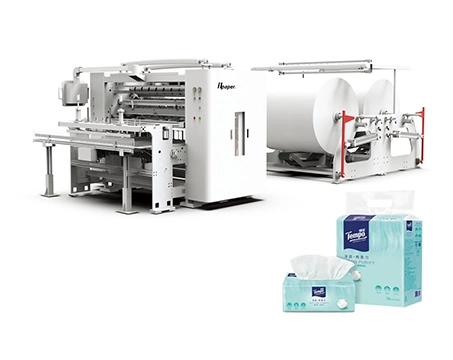
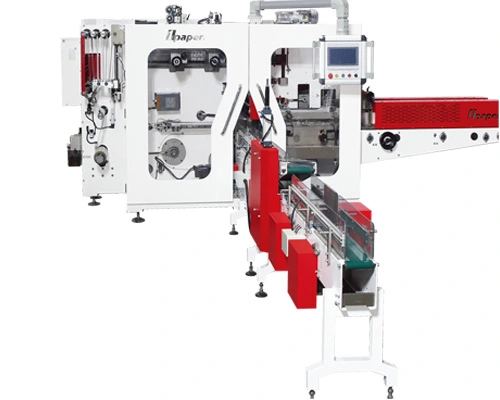
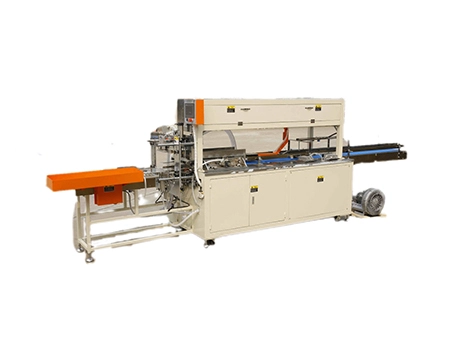
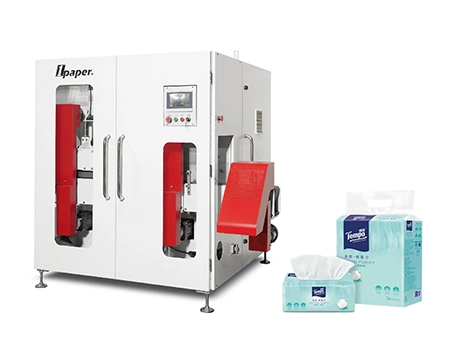
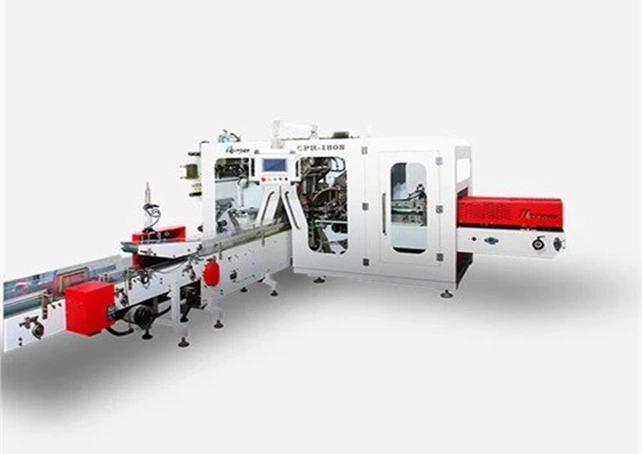
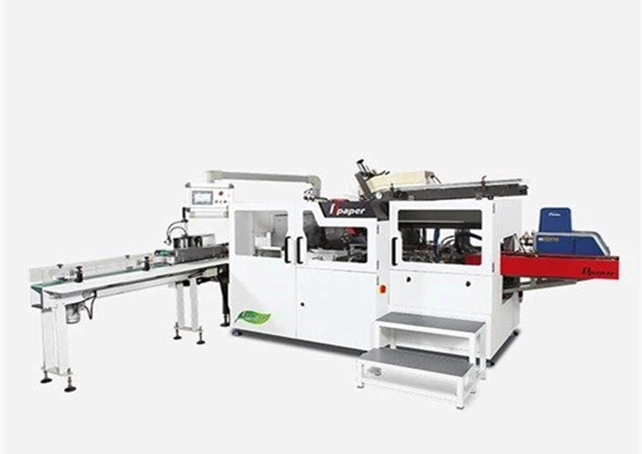
A paper towel converting line starts with parent tissue rolls and creates folded or rolled towels, then cuts, counts and packs them. It does not include pulping and base-paper formation unless a separate papermaking system is specified.
Output should be calculated as good packs or cases for a named product. Web speed alone ignores sheet length, lanes, counts, downstream packing, downtime and waste.
N-fold, V-fold, Z-fold, C-fold, kitchen roll or other format
Open/folded sheet dimensions and number of lanes
Basis weight, ply, emboss/lamination and wet-strength behavior
Sheets per pack or roll length/diameter
Primary pack, bundle/case count and pallet pattern
Quality limits for count, fold, cut, emboss, seal and appearance
Onepaper's paper towel making machine page should state capacity against these conditions. A buyer can then compare converting equipment on the same finished product.
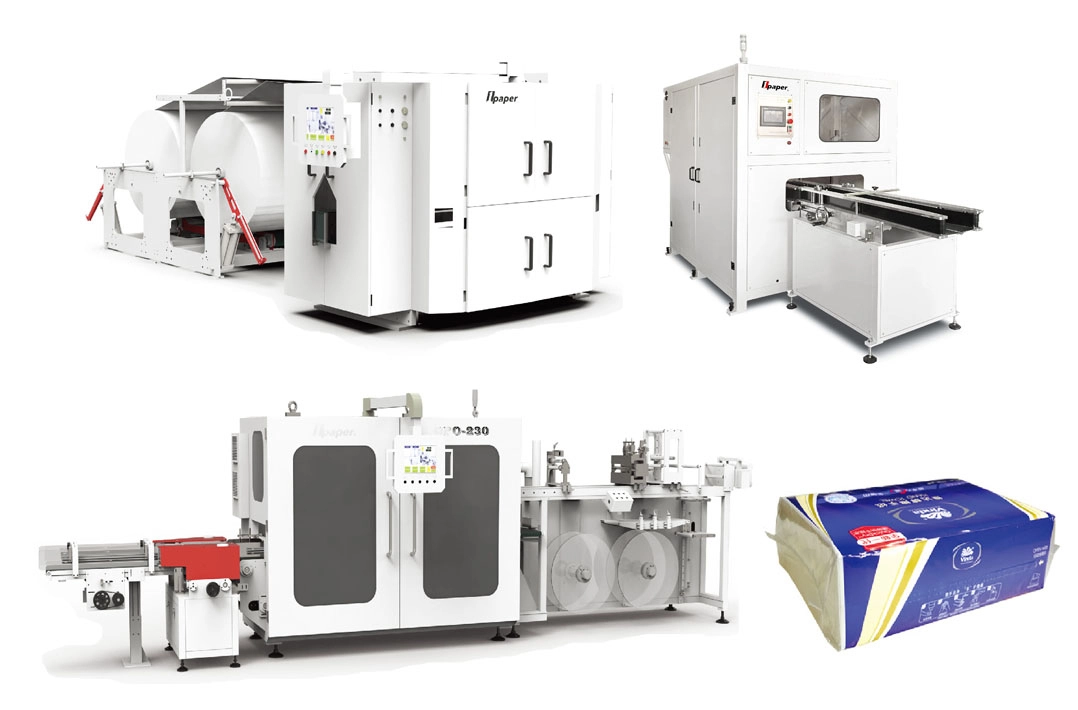
For folded towels, theoretical sheets per minute can be screened from web length per minute, cut length and active lanes, adjusted for the machine’s fold/cut architecture. Then divide by sheets per pack to estimate theoretical packs per minute.
For roll towels, calculate finished web length per roll and log/roll cycles. Verify whether reported speed is per lane, total machine width or a maximum mechanical value.
| Loss | Examples | Data source |
|---|---|---|
| Availability | Roll loading, web breaks, blade/film changes, faults | Production stop log |
| Performance | Reduced speed for weak tissue or difficult fold | Actual cycle/web-speed trend |
| Quality | Wrong count, bad fold/cut/seal and startup waste | Good/reject counter and audits |
| Changeover | SKU, emboss, film or pack-pattern conversion | Last-good to first-good timing |
| Downstream | Packer/bundler starvation or blockage | Line reason codes |
Good output equals the bottleneck’s demonstrated rate multiplied by scheduled time and actual availability/performance/quality. Use separate assumptions for each SKU family.
List roll receiving/loading, core/chuck handling, material splicing, consumable replenishment, quality inspection, pack/case handling, palletizing, waste removal, cleaning and changeover. Automation can move labor downstream rather than eliminate it.
Check peak simultaneous tasks. One operator may cover two machines during steady running but not during a parent-roll change and film splice at the same time. Include relief and supervision policies separately.
Agree raw and packaging material specifications.
Run the named SKU long enough to reach stable production.
Record good packs/cases, waste, downtime and labor interventions.
Check every lane and early/middle/late production quality.
Repeat a representative changeover or consumable event.
Use site ramp-up data to update staffing and spare plans.
It depends on sheet format/count, lanes, stable speed, packer capacity, downtime and quality yield. Quote a named SKU.
A converting machine normally starts with parent tissue rolls. Pulp-to-paper production requires separate stock-preparation and papermaking equipment.
Count tasks across roll handling, machine tending, packing, QC, waste and changeovers, then check simultaneous peak workload and automation scope.
Good packs or cases per hour at agreed quality for a named SKU, supported by downtime and waste data.
Onepaper can model equipment and labor from parent-roll, towel and pack specifications. Agree the bottleneck rate, OEE assumptions and acceptance material before comparing line offers.