+86-18815018869
  josie@one-paper.com
+86-18815018869
josie@one-paper.com
josie@one-paper.com
+86-18815018869
josie@one-paper.com
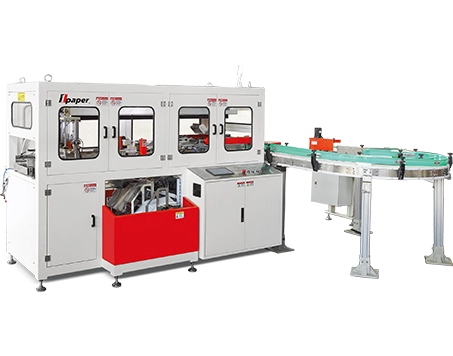
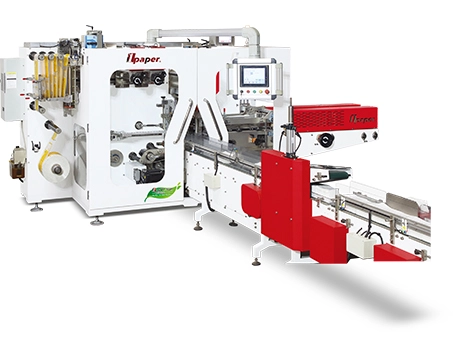
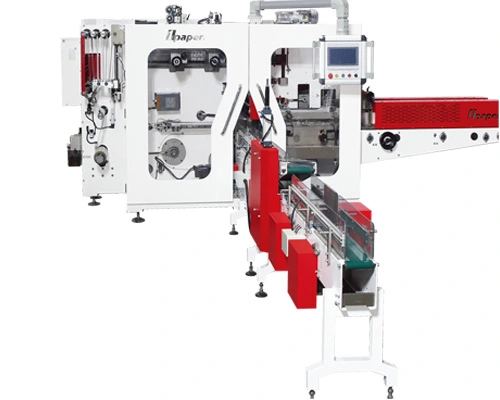
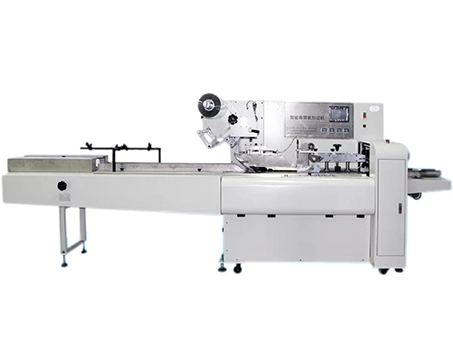
A tissue converting line starts with parent or jumbo rolls and transforms them into folded sheets or rolls, then cuts, counts, wraps, bundles and cases the finished product. It is different from a papermaking line that prepares pulp and forms/dries the base sheet.
Layout should follow product flow while providing operator access, roll handling, waste removal, maintenance space and safe separation. Selecting each machine independently can create a line whose nominal speeds do not balance.
| Input/Output | Data to freeze |
|---|---|
| Parent roll | Width, diameter, core, basis weight, ply, tensile and moisture |
| Finished tissue | Fold/roll format, sheet size, count, ply and emboss |
| Primary pack | Film/carton, count, dimensions, seal and label |
| Secondary pack | Bundle/case pattern and pallet target |
| SKU plan | Mix, changeover frequency and forecast volume |
| Quality | Count, fold, roll density, emboss, seal and appearance limits |
Onepaper tissue converting machinery should be configured from this SKU matrix. Do not quote output from a machine maximum that assumes a different sheet, count or packaging film.
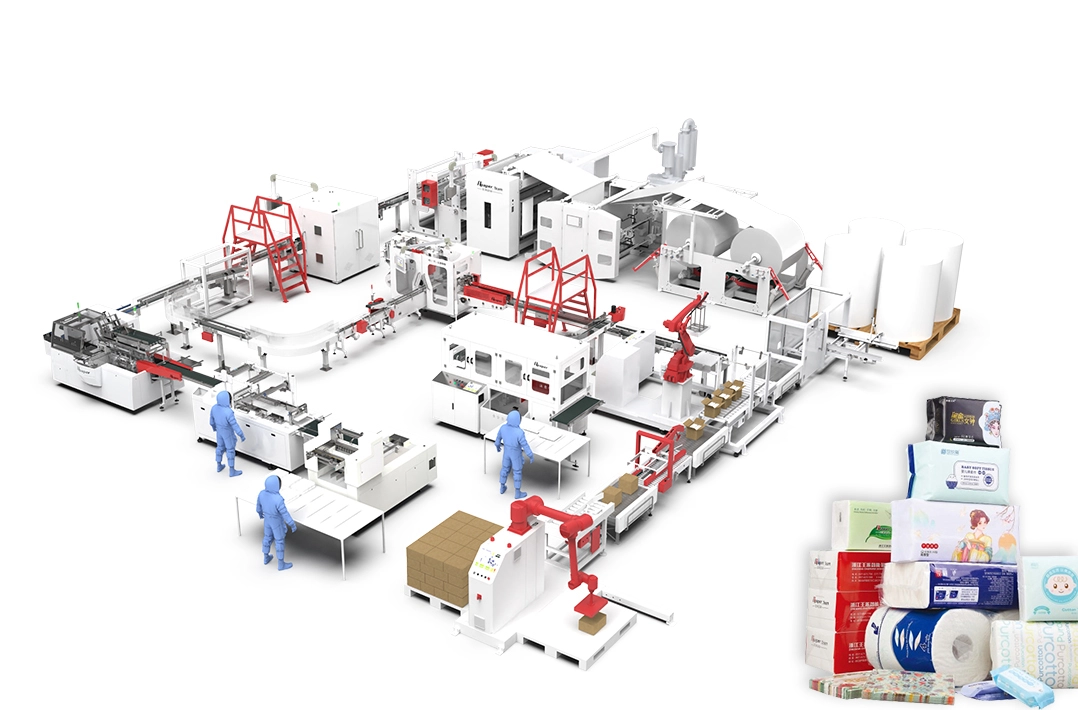
Parent-roll receiving, storage and roll preparation
Unwinding with web tension and splice control
Embossing, laminating, perforating or printing as applicable
Folding or rewinding into logs/streams
Cutting, counting and reject handling
Primary wrapping/cartoning and sealing
Bundling/case packing, coding and pallet flow
The exact sequence differs among facial tissue, napkins, toilet rolls and paper towels. The page should name the converting boundary correctly rather than describing pulp preparation.
Nameplate cycles per minute are not saleable output. Calculate good units from demonstrated speed, availability, performance loss and quality yield. The bottleneck may move when sheet count, pack pattern or film changes.
Provide buffers where a short downstream stop would otherwise break the web or force the converter to stop. Too much accumulation increases footprint and product handling.
Forklift/crane path for parent rolls separated from operators
Safe roll loading and core/chuck handling
Film, cartons and labels staged near use without blocking access
Trim and rejected tissue removed without crossing finished goods
Maintenance doors, pull-out units and electrical cabinets kept accessible
Finished pallet route and quarantine/rework area
Map connected and operating electrical load, compressed air quality/flow, vacuum, dust extraction, HVAC and network interfaces. Confirm floor loading, ceiling height and ambient conditions. Utility shortages can prevent a line from reaching acceptance speed.
FAT and SAT should run defined parent roll and packaging materials for the agreed SKU and duration. Measure good output, waste, count, changeover, alarms and staffing—not empty-machine speed.
No. Converting equipment generally starts with parent/jumbo tissue rolls; a papermaking machine forms the base sheet from stock.
Add operating, roll/packaging logistics, guarding, maintenance removal, utilities, waste and finished-goods space around the machine footprints.
Product format/count, material behavior, bottleneck equipment, changeovers, availability and quality yield determine good output.
Run agreed materials/SKUs and verify sustained good output, quality, waste, changeover, safety, alarms and document scope.
Onepaper can review SKU, parent-roll, layout and automation data to propose a balanced converting line. Share the building and logistics constraints early so machinery, buffers and packing operate as one system.