+86-18815018869
  josie@one-paper.com
+86-18815018869
josie@one-paper.com
josie@one-paper.com
+86-18815018869
josie@one-paper.com
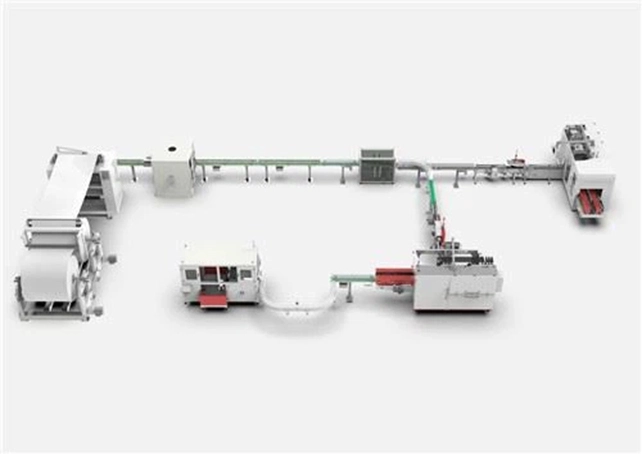
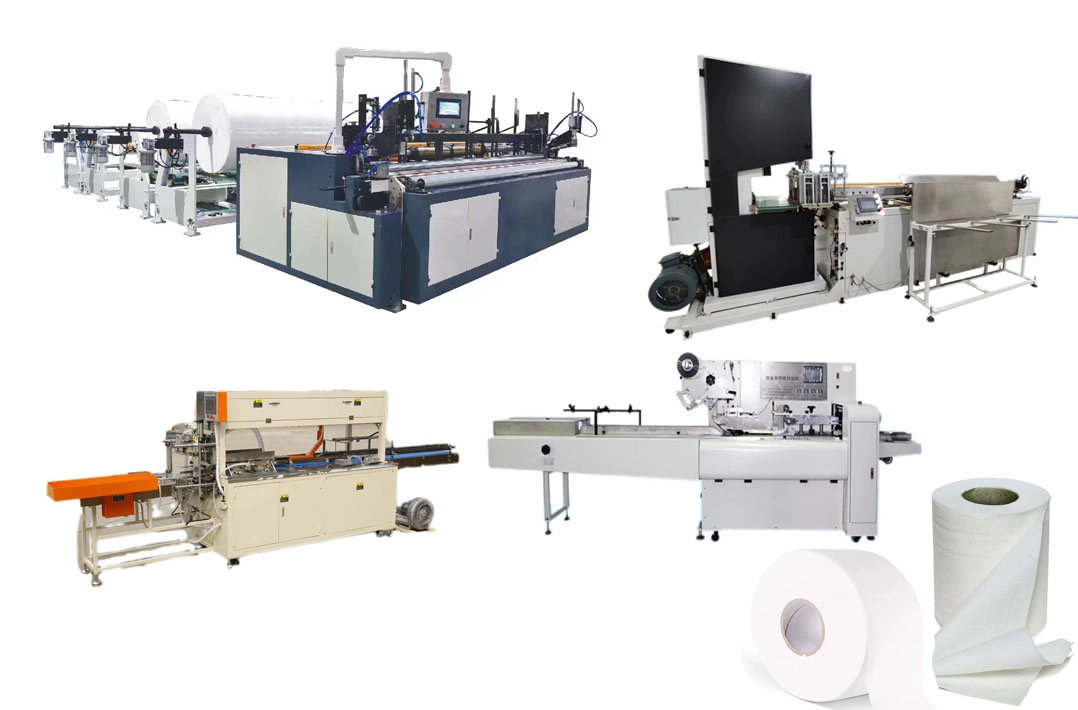
A toilet roll line converts parent tissue rolls into perforated, embossed and rewound logs, cuts those logs into rolls, and packs the rolls. The sellable output is limited by the slowest effective stage after downtime, changeovers and rejects.
Quotations should therefore state roll dimensions, sheet count or length, pack pattern, parent-roll properties and demonstrated operating assumptions. ‘Rolls per minute’ without the SKU is not comparable.
Convert each machine's capacity to good finished rolls per minute or cases per hour for the same SKU. For the rewinder, calculate web length per log and log cycle. For the log saw, include cuts per log, blade change and trim. For packing, include rolls per pack, pack pattern and film/carton cycle.
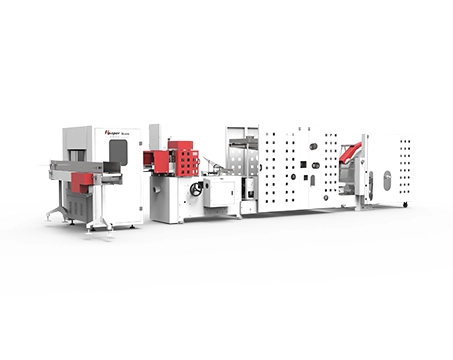
Onepaper toilet roll manufacturing equipment should be evaluated as a matched line. A high-speed rewinder adds little value if log accumulation or packing cannot absorb its output.
Parent-roll width, diameter, basis weight, ply and tensile
Finished roll diameter, core, sheet length/count and perforation
Embossing/lamination pattern and glue system
Web speed at stable quality, not design maximum
Log change/transfer time and tail sealing
Break rate, splice strategy and roll-loading time
A larger finished diameter or more sheets increases web length per log and can reduce log cycles. Weak or variable parent tissue can limit acceleration and create breaks.
| Factor | Capacity/quality effect |
|---|---|
| Log length | Cuts per log and trim waste |
| Roll width | Number of indexed cuts |
| Blade condition | Cut quality, dust and stoppage |
| Sharpening cycle | Availability and consistency |
| Log compression | Ovality, deformation and cut face |
| Infeed/accumulation | Starvation or blockage between stages |
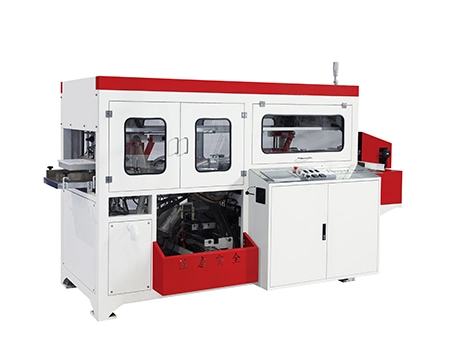
Define cut-face appearance, dust, width tolerance and rejected end rolls. Include blade consumption and sharpening in lifecycle cost.
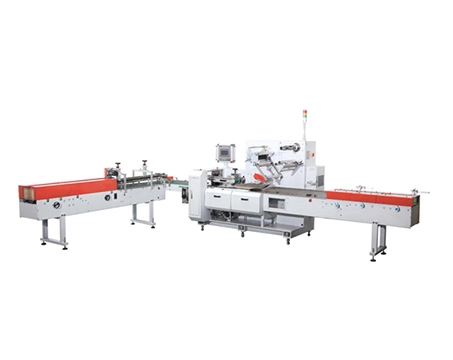
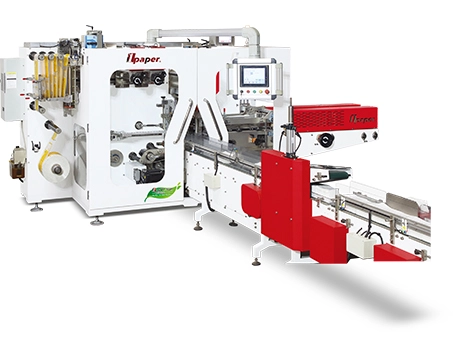
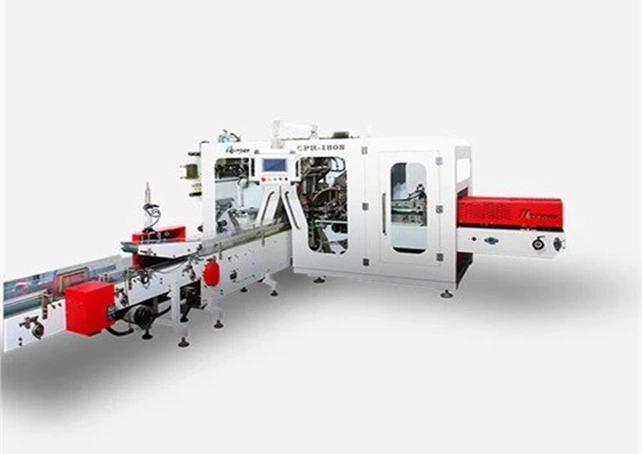
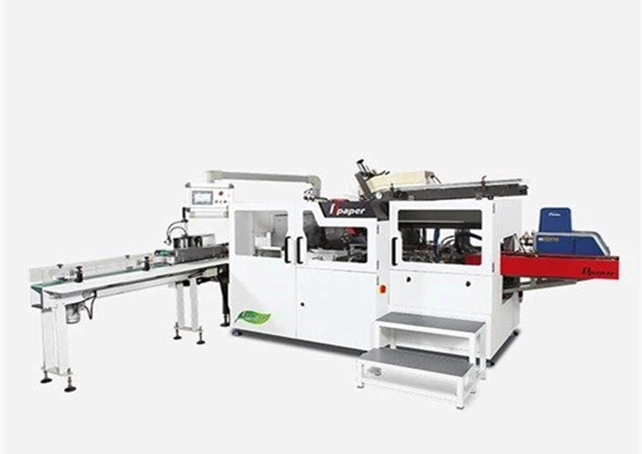
Pack counts and arrangements can change the cycle dramatically. A line that handles 4-roll packs at target speed may not handle 12 or 24 rolls at the same output. Film properties, seal dwell, printed-film registration, handle application and bundling add constraints.
Model changeovers between pack patterns and confirm buffer capacity. Excess accumulation can deform soft rolls; insufficient buffer forces upstream stops during normal film splice or minor packing faults.
Start with the demonstrated bottleneck rate, multiply by scheduled time, then apply availability and quality yield. Subtract planned changeover, cleaning, blade, film and parent-roll events. State staffing and utility assumptions.
Validate with a sustained FAT/SAT run using production-intent tissue and packaging. Report good rolls/cases, waste, stops and reason codes so improvement work targets the real constraint.
It depends on the SKU and losses. The rewinder, log saw, primary packer or bundler can become the bottleneck.
Finished length, log transfer, cutting, packing, downtime and rejects convert web speed into good roll output.
Provide width, diameter, core, basis weight, ply, tensile, moisture, emboss behavior and supplier variation.
Long enough to reach steady production and include representative material/packing events; agree the duration and acceptance criteria in the contract.
Onepaper can model rewinding, cutting and packing from the finished roll/pack schedule. Ask for guaranteed good output, quality and utilities under named test materials and operating conditions.